
Orthopedic Rehabilitation
What is Orthopedic Rehabilitation?
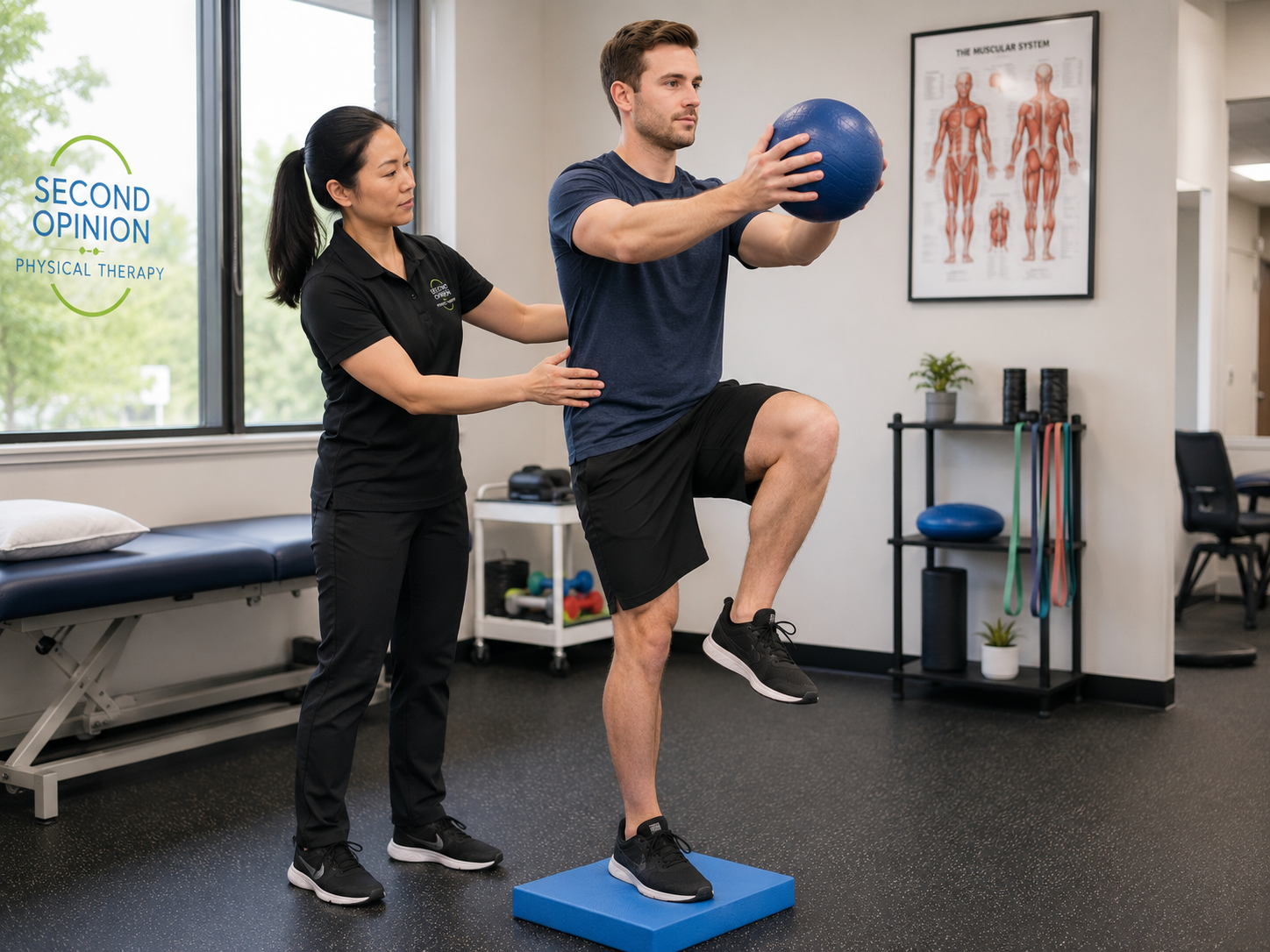
Orthopedic physical therapy evaluates and treats injuries and conditions affecting muscles, joints, ligaments, tendons, bones, and nerves. Our goal is to reduce pain, restore movement, improve strength, and help you safely return to work, sports, and the activities you enjoy through personalized, evidence-based care.
Conditions We Treat
-
neck pain
Low back pain
Sciatica
Disc-related pain
Whiplash injury
Scoliosis
-
Common symptoms include:
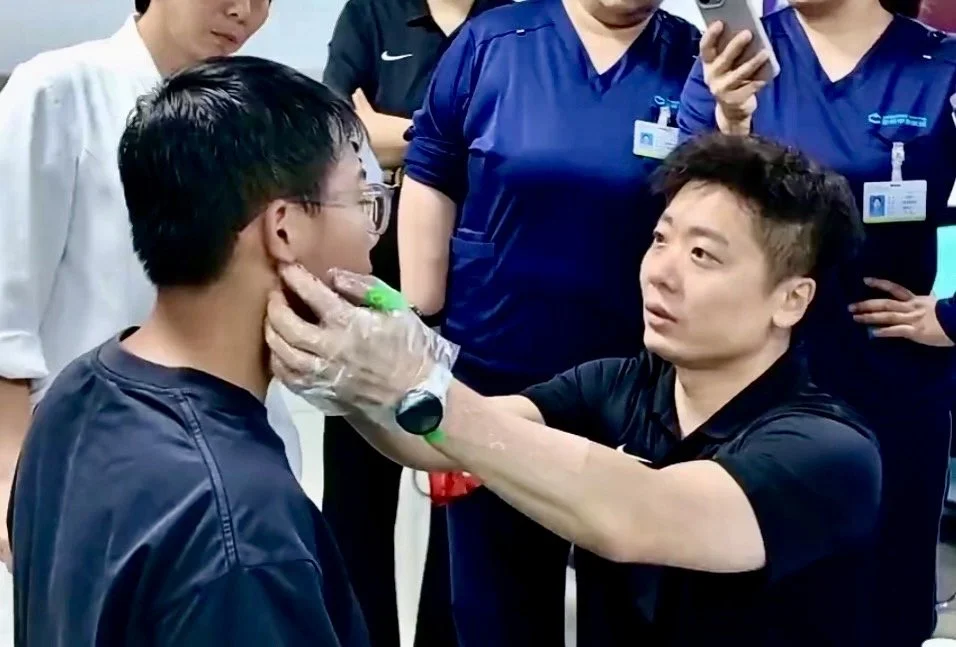
Jaw pain/clicking/popping
Limited jaw opening
Pain with chewing or talking
Headache related to TMJ dysfunction
Teeth clenching or grinding
-
Rotator cuff injury
Frozen shoulder
Shoulder impingement
Tennis elbow
Golfer’s elbow
Thoracic Outlet Syndrome
-
Hip pain
Osteoarthritis
Labral injury
Meniscus injuries
ACL injury and/or reconstruction
Patellofemoral pain
-
Plantar fasciitis
Achilles tendinopathy
Ankle sprains
-
Overhead Athletes
Runner
Muscle strains
Ligament sprains
Tendinopathy
Return-to-sport testing
Return-to-sport rehabiliation
-
Spinal fusion
Disc replacement
Joint replacement
Rotator cuff repair
ACL reconstruction
Meniscus surgery
Fracture rehabiliation
What Makes Our Orthopedic Program Different?
Care provided by Board-certified specialist in Orthopedic Physical Therapy (OCS)
Evidence-based treatment plans using the latest clinical guidelines
Comprehensive movement, strength, and biomechanical assessment
Hands-on manual therapy
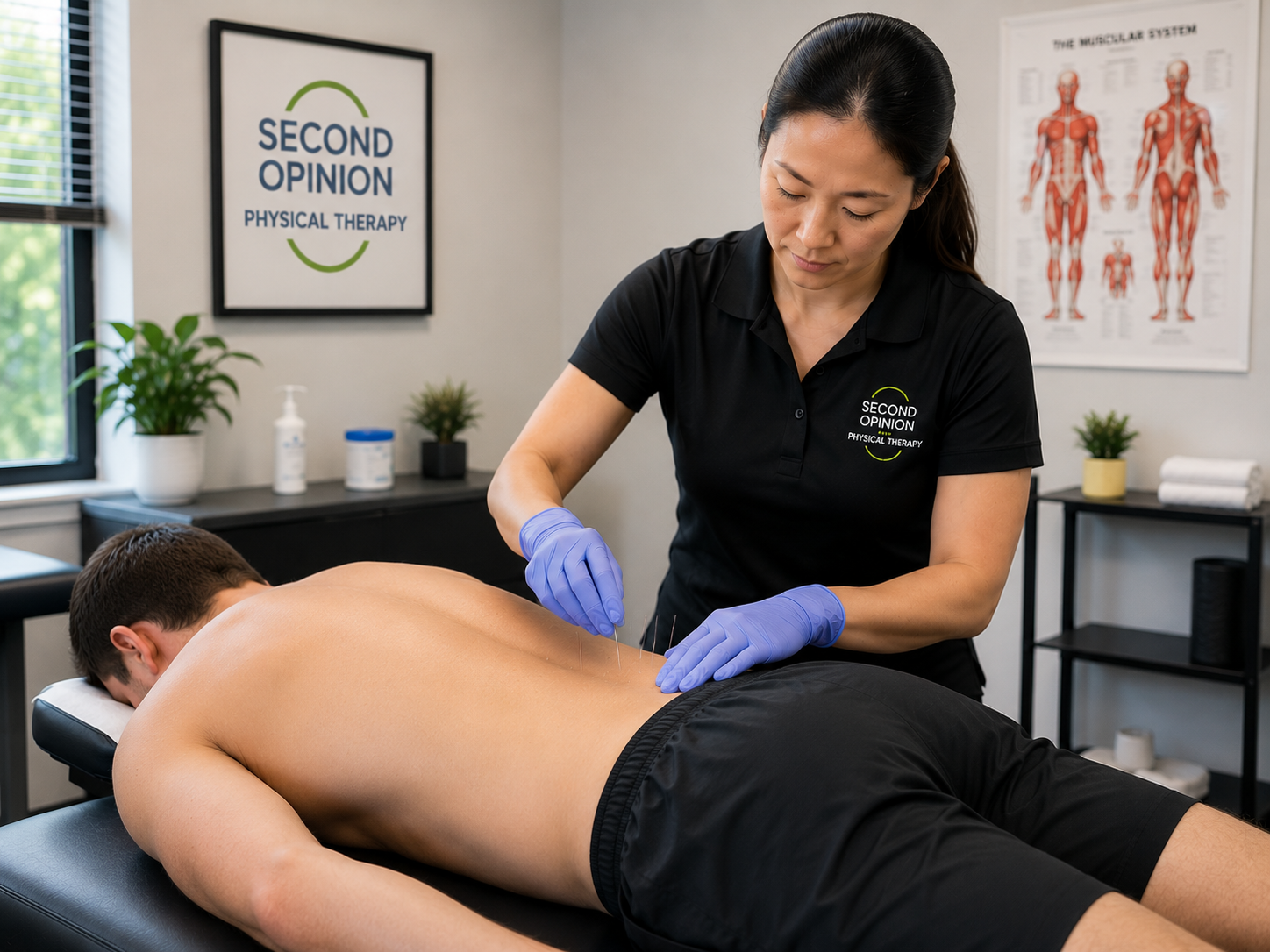
Dry needling (when clinically appropriate)
Return-to-sport testing and rehabilitation
Patient education focused on long-term recovery and injury prevention
FAQs
-
Our physical therapists are trained in dry needling and use it as part of a comprehensive treatment plan when clinically appropriate. Dry needling can help reduce pain, improve muscle function, restore mobility, and support recovery. It is combined with manual therapy, therapeutic exercise, and patient education to achieve the best long-term outcomes. Your therapist will discuss the benefits, risks, and whether it is appropriate for your specific condition before treatment.
-
In many cases, yes. Physical therapy is often recommended as a first-line treatment for many orthopedic conditions, including tendon injuries, arthritis, rotator cuff problems, meniscus injuries, plantar fasciitis, low back pain, neck pain, and TMJ disorders. Through a personalized program of manual therapy, therapeutic exercise, education, and movement retraining, many patients experience significant improvements in pain and function without surgery.
However, some conditions may still require surgical treatment. If your evaluation suggests that surgery or further medical assessment is appropriate, we will discuss our findings with you and help coordinate care with your physician.
Our goal is to help you make an informed decision and achieve the best possible outcome.
-
Georgia is a direct access state, meaning you can see a physical therapist without a physician referral in many cases. We will let you know if a referral is needed based on your insurance plan.
-
Yes. Post-surgical physical therapy plays an important role in restoring mobility, strength, flexibility, and function after many orthopedic procedures. A personalized rehabilitation program can help reduce pain and swelling, improve range of motion, rebuild strength, and safely guide your return to daily activities, work, and sports.
We provide rehabilitation following a variety of orthopedic surgeries, including:
Joint replacement (hip, knee, and shoulder)
ACL reconstruction
Rotator cuff repair
Meniscus surgery
Shoulder stabilization procedures
Fracture fixation
Tendon and ligament repairs
Foot and ankle surgeries
Your rehabilitation program will be tailored to your surgeon’s protocol, your stage of healing, and your personal goals to help you recover safely and achieve the best possible outcome.
-
Yes. We provide comprehensive return-to-sport testing to help athletes safely resume their sport following an injury or surgery. Your evaluation may include assessments of strength, balance, agility, coordination, movement quality, functional performance, and sport-specific skills. Based on the results, we will identify any remaining deficits and develop a personalized rehabilitation program to help reduce the risk of reinjury and optimize performance.
Return-to-sport decisions are based on a combination of objective testing, your functional abilities, your goals, and, when applicable, your physician’s recommendations.
-
In most cases, yes. Staying active is often an important part of recovery, but the type and intensity of exercise may need to be modified depending on your condition. Your physical therapist will guide you on which activities are safe to continue, which should be temporarily limited, and how to exercise without delaying healing.
As your symptoms improve, your exercise program will be gradually progressed to help you safely return to your normal activities, work, or sports.
Move better. Hurt less. Live stronger.
Schedule your evaluation today and start your recovery.