
Neurological Rehabilitation
What is Neurological Rehabilitation?
Neurological rehabilitation is a specialized form of physical therapy designed to help individuals recover or improve function after conditions affecting the brain, spinal cord, or peripheral nerves.
Treatment focused on improving balance, walking, strength, coordination, mobility, endurance, and independence while helping patients safely return to their daily activities and improve their quality of life.
-
Weakness after stroke
Walking and balance difficulties
Arm and leg coordination
Spasticity
Functional mobility
Fall prevention
-
Gait and balance training
Functional movement training
Freezing of gait
Postural instability
Movement and mobility
Fall prevention
Functional strengthening
-
Fatigue management
Balance impairment
Muscle weakness
Walking Difficulties
Coordination deficits
-
Traumatic brain injury (TBI)
Spinal cord injury
Brain tumor rehabilitation
Functional mobility training
-
We provide individualized physical therapy to help children and adults with cerebral palsy improve mobility, independence, and participation in daily activities.
Treatment may address:
Balance and coordination
Gait (walking) abnormalities
Muscle weakness
Spasticity management
through therapeutic interventsions
Gross motor skill development
Transfer and functional mobility
Postural control
Strength and endurance training
Fall prevention
Home exercise and caregiver education
-
Peripheral neuropathy
Foot drop
Nerve injuries
Guillain-Barre Syndrome
Nerve injuries
-
Treatment focuses on retraining normal movement patterns, improving mobility and balance, and increasing confidence with daily activities.
Common concerns we treat include:
Functional gait disorders
Functional limb weakness
Functional tremor
Functional dystonia
Functional dizziness and balance disorders
Difficulty with walking, transfers, and mobility
Fear of movement and reduced confidence
Return to work, school, sports, and daily activities
Conditions We Treat
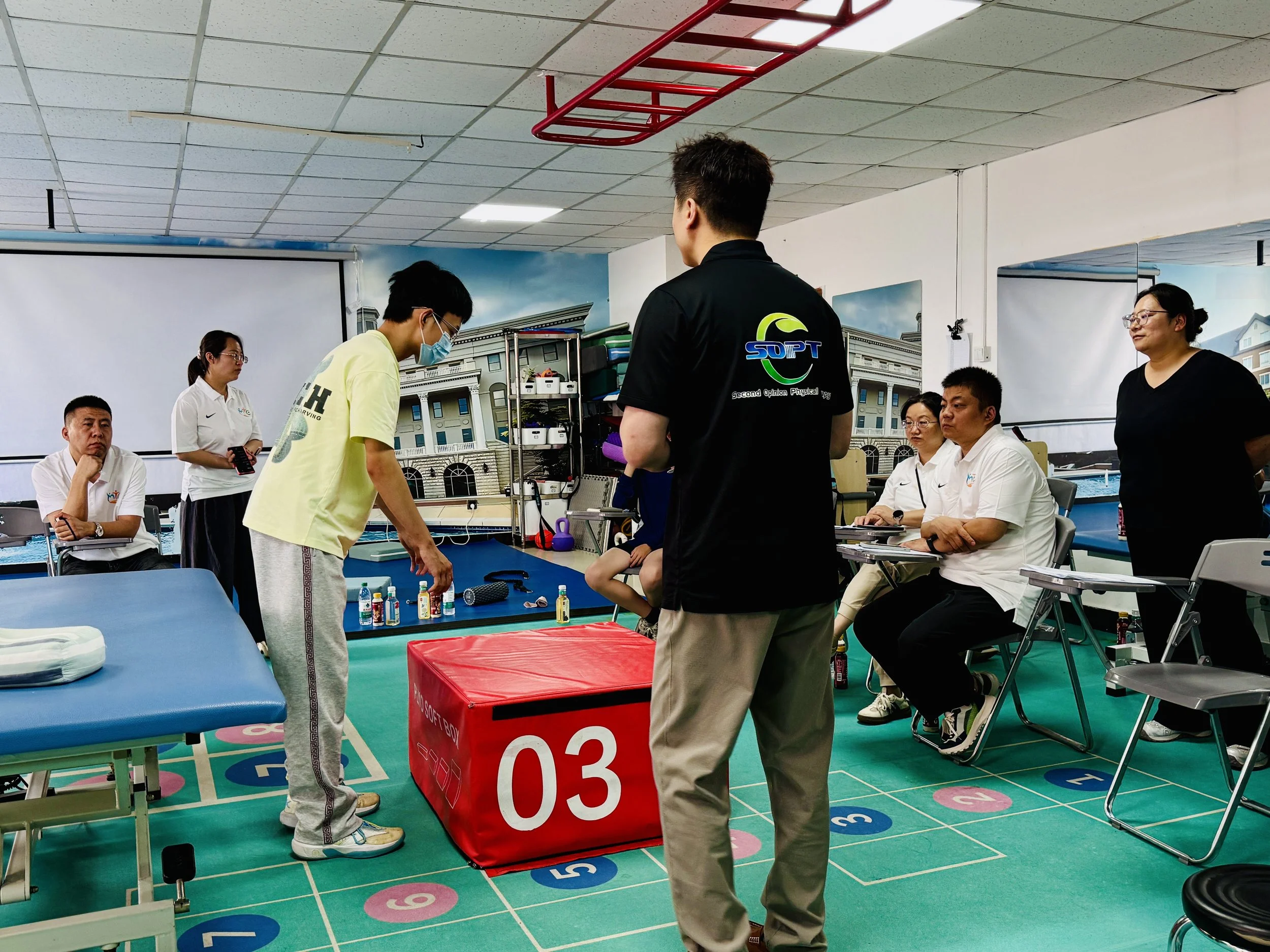
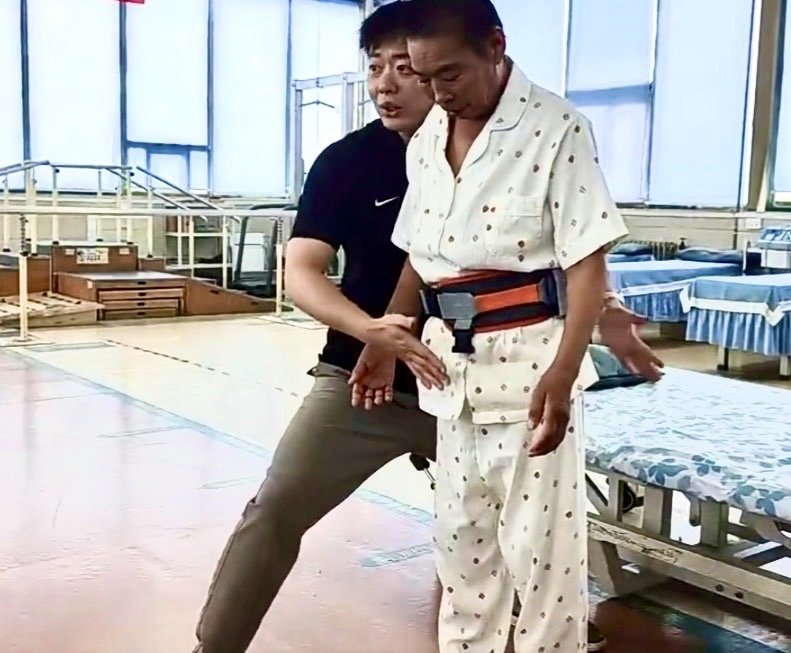
See individualized neurological rehabilitation in action. Each treatment is tailored to the patient’s specific movement patterns, challenges, and functional goals.
FAQs
-
Your evaluation includes a comprehensive assessment of your medical history, mobility, balance, walking, strength, coordination, sensation, flexibility, endurance, and functional abilities.
Based on your examination, your physical therapist will develop a personalized treatment plan to address your goals and improve your independence.
-
Yes. Many neurological conditions increase the risk of falling due to balance impairment, muscle weakness, sensory changes, or gait abnormalities. Physical therapy focuses on improving balance, strength, walking ability, and confidence while teaching strategies to help reduce fall risk and improve safety.
-
Yes. Our neurological rehabilitation program includes care provided by a physical therapist with Advanced IBITA Bobath training.
The Bobath Concept is an internationally recognized approach to neurological rehabilitation that emphasizes individualized assessment and treatment to improve movement, balance, mobility and functional independence.
It is widely known in the US as Neuro-Developmental Treatment or NDT, is a problem-solving approach to assess and treat individuals with central nerve system disorders like stroke or cerebral palsy. It uses hands-on facilitation and motor learning principles to normalized muscle tone and restore efficient, everyday movement.
Treatment is integrated with current evidence-based physical therapy and tailored to each patient’s goals and needs.
-
Every patient’s recovery is unique. The number of visits depends on your diagnosis, symptoms, goals, and progress. After your evaluation, your physical therapist will develop an individualized treatment plan and discuss the expected course of therapy with you.
-
Yes. Most patients receive a personalized home exercise program designed to complement in-clinic treatment. Consistently performing your exercises at home plays an important role in improving mobility, strength, balance, and long-term function.
-
Yes. We provide neurological rehabilitation for both children and adults. Treatment is individualized to each patient’s age, diagnosis, abilities, and functional goals.
-
Referral requirements vary depending on your insurance plan and state regulations. GA is a direct access state. Many patients can begin physical therapy through direct access, while some insurance plans may require a referral for coverage. If you’re unsure, our office will be happy to help verify your benefits.